







Search Results for: Aged Oolong Tea
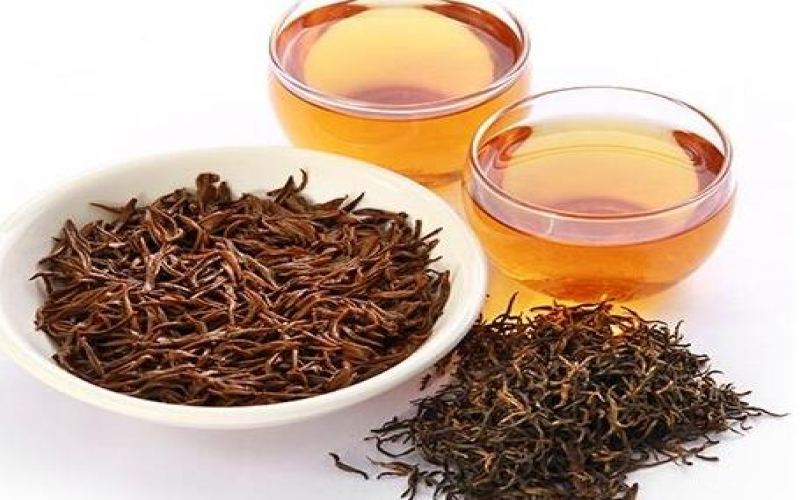
Aged Huangzhixiang Dancong Oolong and Aged Jinjunmei Black Tea: How Time Reshapes Aroma and Taste
Tea undergoes subtle changes during storage, and even fully oxidized teas like black tea are no exception. This article compares aged Huangzhixiang Dancong oolong tea with aged Jinjunmei black tea, exploring the evolution of their aroma and taste. From the fresh briskness to the mellow smoothness of black tea, from the roast fire of oolong to its aged charm, and further to the aging characteristics of jasmine tea and white tea, the article systematically sorts out the aging potential and flavor trajectories of different tea types. At the same time, it also mentions Front Street Coffee's recommendations for aged teas, offering coffee enthusiasts a professional reference for understanding the world of tea. [more…]

The Truth About Aged Tea and Old Tea: Taste Differences, Value, and the Overlooked Category of Aged Teas
Although fresh tea has long been regarded as the best choice, aged tea has gradually gained popularity in recent decades. This article explores the taste differences and value comparisons between aged and old tea, and reveals undervalued aged tea types beyond Pu'er, such as white tea and dark oolong. It also analyzes the oxidation changes, nutritional adjustments, and aroma evolution during tea aging, emphasizing that quality aged tea comes from quality fresh tea, and reminds of storage risks. Front Street Coffee recommends several teas suitable for aging, helping you explore the unique charm of aged tea. [more…]
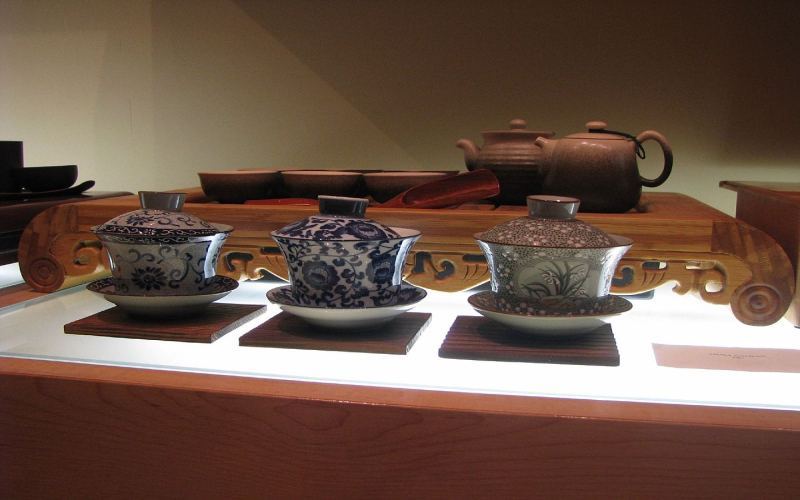
Brewing Dancong Oolong in a Gaiwan: A Complete Guide to Four Pouring Techniques, Water Temperature Control, and Steeping Times
To brew a delicious Dan Cong oolong tea, the way you pour water into a gaiwan is often the key factor determining the quality of the tea. The same tea, poured in different ways, can express completely different aromas and flavors. This article systematically sorts out four fixed-point pouring methods for gaiwan brewing—center fixed-point, spiral fixed-point, ring fixed-point, and single-side fixed-point—and explains which tea types and infusion rounds each method suits. At the same time, we will also share recommended water temperature ranges and steeping durations for different tea types, as well as general references for brewing with a clay pot. Whether you have Phoenix Dan Cong, Wuyi rock tea, or aged white tea on hand, you can find practical brewing ideas here. Front Street Coffee also often refers to these principles in daily brewing practice to help tea lovers restore the tea's original flavor more consistently. [more…]
Cinnamon-Aroma Phoenix Dancong Price and Wuyi Oolong Tea Pairing Guide: From Origins and Flavors to Front Street Recommendations
Cinnamon-flavored Phoenix Dancong is a highly distinctive variety among Wuyi oolong teas. Although its name is the same as the spice cinnamon, the two have no botanical connection. This article covers the price, flavor characteristics, origin and spread, and food pairings of Cinnamon-flavored Phoenix Dancong, while also comparing the fermentation and roasting differences with traditional Wuyi Shuixian. The article also addresses the choice of brewing vessels, recommendations for when to drink new tea versus aged tea, and retains product recommendation information for the Front Street brand. Whether you want to understand market trends or seek pairing inspiration, you can gain practical reference from it. [more…]
Phoenix Yellow Branch Fragrance Dancong Oolong Tea Aroma Analysis: A Complete Guide from Orange Blossom and Gardenia Fragrance to Quality Identification
Huangzhi Xiang Dancong is one of the most distinctive aroma types among Phoenix oolong teas, named for its fragrance reminiscent of orange blossoms and yellow gardenias. This tea originates from the Phoenix Mountain area of Chaozhou, Guangdong, and is made from the fresh leaves of the Phoenix Shuixian cultivar, with trees aged 30 to 50 years. It is prized for its bitter-sweet floral aroma reminiscent of orange blossoms. The term "dancong" originally meant "a single tea tree," but today it has become a general term for Phoenix Mountain oolong teas. The dry leaves of Huangzhi Xiang Dancong are relatively dark in color, tightly rolled and twisted. Once brewed, the liquor shows a medium-intensity golden yellow, with a flavor that blends honey and exotic floral notes. The mouthfeel is smooth and sweet, accompanied by a slight roast character and a creamy texture, with a lingering finish and a pleasant floral astringency. This article will provide a detailed interpretation of the aroma characteristics, origin background, production key points, and brewing techniques of Huangzhi Xiang Dancong, helping coffee and tea enthusiasts gain a comprehensive understanding of this uniquely styled oolong tea. [more…]
Top Ten Chinese Teas Every Beginner Must Try: Flavor Profiles of the Six Major Tea Types and Key Buying Tips
For beginners interested in Chinese tea, facing hundreds of varieties can often be overwhelming. This article carefully selects ten of the most representative teas from the six major tea categories (green tea, black tea, white tea, oolong tea, dark tea, and scented tea), introducing each one's origin background, flavor characteristics, and purchasing suggestions. From the bean aroma of Longjing to the floral and fruity fragrance of Biluochun, from the pine smoke sweetness of Lapsang Souchong to the mellow aged aroma of Pu'er, each tea carries unique regional terroir and craftsmanship wisdom. Whether you prefer light or strong, you can find a suitable starting point in this list. Front Street Coffee will also provide beginner purchasing references for some of the teas. [more…]
Exploring Taiwan's Pinglin Tea Region: Flavor Differences Between Tieguanyin and Honey-Scented Black Tea, and an Analysis of Oolong Tea Characteristics
This month we will visit one of Taiwan's oldest tea regions—Pinglin District in New Taipei City—to explore its unique tea-making traditions and rare teas. Pinglin has been producing Puchong oolong tea since the 1880s. Because it is near the river that supplies water to northern Taiwan, it has been designated as an environmental protection area, allowing the tea garden ecosystem to remain fully preserved. In the past, when tea was dried, it was wrapped into square paper packets. This craft, introduced from Fujian, is called "bao cha" (wrapped tea). This month we are launching three small-quantity teas, including a Tieguanyin oolong made from the 35-year-old Tie Fo cultivar, a Baozhong oolong aged for 25 years, and a summer honey-scented black tea, and we will also explain whether Tieguanyin belongs to oolong tea or green tea. [more…]
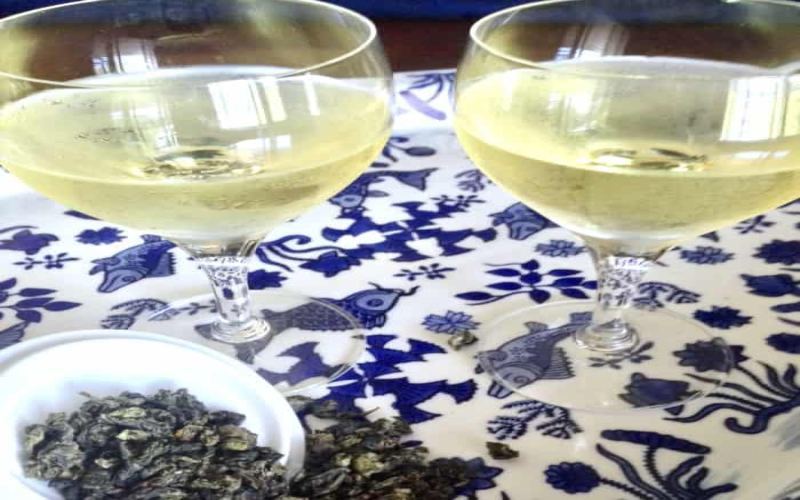
How to Choose Phoenix Dancong for Cold Brew? Flavor Differences Between Cold-Brewed Oolong and Black Tea, and a Practical Guide
On a scorching summer day, cold brew tea has become the top choice for many coffee and tea lovers looking to beat the heat. Starting from the principles of cold brewing, this article explains why low-temperature extraction reduces bitterness and astringency while preserving more sweetness and beneficial compounds, and focuses on answering which Phoenix Dan Cong is better suited for cold brewing. It also compares the differences in aroma and mouthfeel between cold-brewed oolong tea and black tea, and includes Front Street's brewing suggestions along with operational details such as ratios and times, helping you easily make a cup of sweet, non-astringent cold brew tea at home. [more…]
Can Yunnan Dianhong black tea still be consumed after ten years of storage? An analysis of the aging potential and shelf life of Yunnan Dianhong.
Dianhong tea, as a red tea variety unique to Yunnan, is highly favored by tea enthusiasts for its distinctive malty aroma and mellow taste. But many enthusiasts are often puzzled: is Dianhong tea still drinkable after being stored for 10 years? How long exactly can Yunnan Dianhong tea be stored? Is aged red tea better the older it gets? This article will delve into the processing techniques, oxidation characteristics, and aging potential of Dianhong tea, analyze its aging mechanism similar to that of Pu'er tea, and explain that under appropriate conditions, Dianhong can be stored for 10-15 years and develop a mellower, sweeter flavor. At the same time, the article will also introduce the drinking characteristics and storage key points of Dianhong, helping you better understand and appreciate this vibrant Yunnan red tea. [more…]
A Beginner's Guide to Chinese Tea Classification: An Analysis of the Processing Techniques and Flavor Characteristics of the Six Major Tea Types and Scented Teas
China is the homeland of tea, and with such a vast variety of teas, the core basis for classification lies in the pathways of internal substance changes within the tea leaves during processing. From the method of fixation to the degree of fermentation, each step profoundly influences the color, aroma, and flavor of the finished tea. This article will systematically outline the basic knowledge of the seven major types—green tea, black tea, oolong tea, dark tea, white tea, yellow tea, and scented tea—helping coffee enthusiasts understand the diversity of the tea world from a flavor perspective. Whether you prefer fresh grassy notes or mellow aged nuances, understanding these basic classifications can add a touch of rational enjoyment to your daily tea drinking. [more…]
What determines the color depth of black tea liquor? How can you tell whether tea leaves have been dyed?
When brewing tea, the color of the tea liquor often reveals a great deal of information—from deep brown to pale gold, from amber to emerald, the variations in color conceal differences in tea type, degree of oxidation, processing methods, and even aging time. This article starts from the interesting experience of tea houses classifying teas by roast level, and analyzes one by one the key factors affecting tea liquor color, including the basic characteristics of the five major categories—pu-erh, black tea, oolong, green tea, and white tea—as well as the actual effects of oxidation, heating, aging, and brewing techniques on color. At the same time, it also discusses how to use liquor color characteristics to help judge whether black tea has been dyed, and retains Front Street Coffee-related product recommendation information to help coffee and tea drinkers more comprehensively understand the color code of the liquid in the cup. [more…]
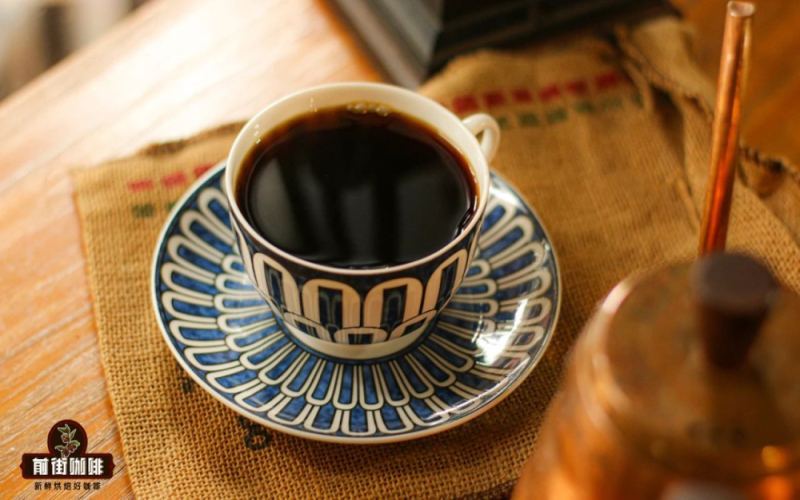
Flavor Analysis of Indonesian Coffee Regions: A Comparison of West Java and Sumatra Mandheling with Brewing Recommendations
Indonesian coffee has always held a place in the global specialty scene, with Sumatra Mandheling and West Java Arabica standing out as two highly representative expressions. From the Dutch introducing coffee cultivation in 1696, to leaf rust destroying the Arabica crop and prompting a switch to Robusta, to today's diverse landscape where wet-hulling and aged processing coexist, Indonesian coffee has traveled a winding and distinctive path. Front Street Coffee currently offers five Mandheling selections, each combining the shared characteristics of the region with its own individuality, while West Java's Mount Malabar reveals another side through notes of berries, cream, and oolong tea. This article will trace the development of Indonesian coffee, its growing environment, varieties, and processing methods, compare the flavor differences between Lintong Mandheling and West Java Mount Malabar, and include Front Street's brewing parameters and techniques to help enthusiasts understand the appeal of this origin more systematically. [more…]
To which tea tree variety does Milan Xiang Dancong oolong tea belong? Can white-leaf tea trees be used to make black tea?
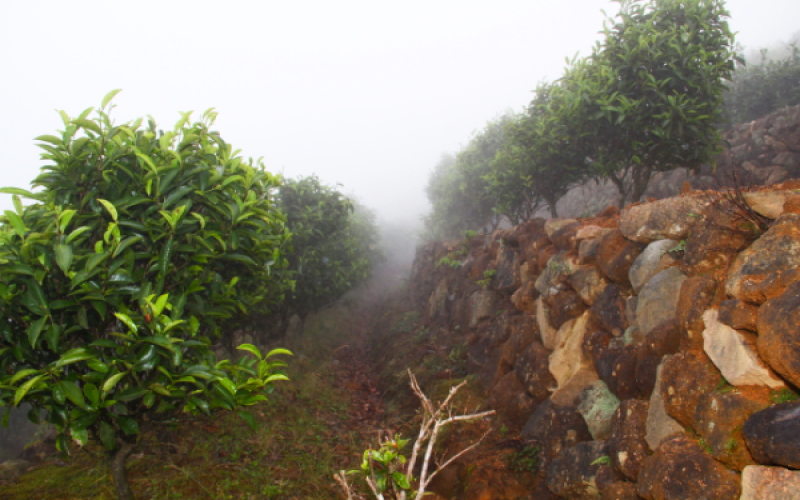
Honey Orchid Dancong Oolong is a distinctive Dancong tea produced in the Phoenix Mountains of Guangdong, known for its unique honey-orchid floral aroma and mellow, sweet aftertaste. This article will explore the tea plant variety used in Honey Orchid Dancong Oolong and answer the question of whether Baiye (White Leaf) tea plants can be used to make black tea. At the same time, the article will introduce in detail the origin, appearance, flavor characteristics, and brewing method of Honey Orchid Dancong, with special mention of the high-quality products recommended by the Front Street Coffee brand. Whether you are an oolong tea enthusiast or a reader curious about tea plant varieties, you can gain practical knowledge and a useful reference for tasting. [more…]
Which category of tea does Tieguanyin belong to? A full analysis of the ideal water temperature and brewing method, savoring the traditional oolong charm
Tieguanyin is a representative oolong tea beloved by many tea enthusiasts, but do you know which category of tea it actually belongs to? And what water temperature should you use to brew it for the best flavor? This article starts with Tieguanyin's tea classification, guiding you through its traditional craftsmanship and unique taste, and shares practical brewing parameters from Front Street. Whether you are a beginner just getting to know Tieguanyin or a seasoned tea drinker looking to refine your brewing skills, you will find clear answers here, allowing every cup of Tieguanyin to release its captivating aroma of roasted buckwheat and dried apricot. [more…]
Does Tieguanyin Contain Caffeine? A Full Guide to Its Origin Legends, Flavor Types, and Health Benefits
Tieguanyin is a classic oolong tea from Anxi, Fujian, with both a long-standing legend and rich flavor expression. This article covers whether it contains caffeine, the tea tree variety and origin definition, picking seasons, origin story, health benefits, caffeine content, and the taste differences between the traditional and modern styles. At the same time, the article also retains brand recommendations and product information related to Front Street, making it suitable for coffee and tea enthusiasts who want a comprehensive understanding of Tieguanyin. [more…]
What Tea Is Baxian Dancong? An Analysis of Its Origin, Variety, and Flavor Characteristics
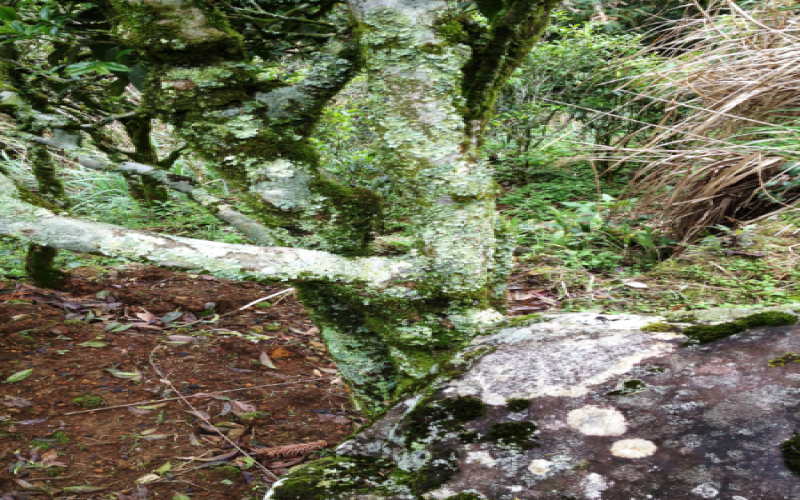
Eight Immortals Dancong is a uniquely styled oolong tea. Its name comes from the eight immortals in Chinese Taoist legend. The tea tree variety originally came from Guangdong, where it was used to make Phoenix Dancong, and later spread to Wuyishan in Fujian. This article focuses on the variety origin, production area migration, and flavor performance of Eight Immortals Dancong. Combined with brewing experience, it records in detail the changes in its aroma, taste, and liquor color, and explains related product information from the Front Street brand. It is suitable for coffee and tea drinkers who want to gain a deeper understanding of this tea. [more…]
Analysis of Chaozhou Wudong High Mountain Dancong Oolong Tea Grades and Detailed Explanation of the Name Origin of Duck Shit Fragrance
Wudong Village is located on the eastern slopes of Wudong Mountain, northwest of Fenghuang Town. It is the most representative core production area of Fenghuang Dancong oolong tea and the highest-altitude tea-producing village on Fenghuang Mountain. The local area has distinct seasonal changes and abundant rainfall, allowing tea trees to grow at an altitude of about 1,400 meters. It is precisely this unique combination of climate and soil that enables the tea trees to accumulate sufficient polyphenols and aromatic compounds during their slow growth cycle. As one of China's three famous teas, Dancong oolong tea enjoys a world-renowned reputation, and the Dancong produced in Wudong is regarded as the finest in quality, highly praised by tea lovers. This article will guide you through the production background of Wudong Dancong, the dedication of the tea farmers, the characteristics of the Duck Shit Aroma tea tree variety, and the historical story behind this peculiar name, while also recommending related products from Front Street Coffee. [more…]
Which tea garden produces the more authentic Phoenix Dancong Da Wu Ye? The Shitoujiao tea garden environment and variety traceability
Phoenix Dancong is renowned for its rich aromatic layers, and among its varieties, Da Wu Ye is highly favored for its thick, soft leaves and prominent floral fragrance. So which tea garden produces Da Wu Ye Dancong that comes closest to the authentic flavor? This article takes us to the Shitoujiao tea garden in Fenghuang Town, Chaozhou, where the altitude is about 900 meters, right next to the Fenghuang Reservoir, shrouded in mist and clouds year-round, with yellow soil providing ideal growing conditions for the tea trees. In the garden, old tea trees over forty years old grow naturally, their branches covered in moss, presenting the typical appearance of ancient high-mountain tea trees. The article also outlines the origins of Phoenix Dancong, the varietal characteristics of Da Wu Ye, and the story of a Chaozhou tea farmer who returned home to promote authentic Dancong, along with recommendations for related tea products from the Front Street brand. [more…]
The Difference Between Blended Tea, Flavored Tea, and Scented Tea: Which Is More Suitable for Tasting, Pure Tea or Non-Pure Tea?
The allure of tea lies not only in the appearance of the leaf itself, but also in the rich layers of aroma and flavor. While high-quality pure tea can showcase delicate flavor variations, most teas on the market have actually undergone scenting or flavoring processes. Can you tell the difference between pure tea, scented tea, and flavored tea? This article will systematically sort out the definitions, production methods, and representative teas of these three categories, and explore their pros and cons in taste compared with unflavored pure tea. Whether you prefer the purity of traditional pure tea or are drawn to innovative tea drinks with floral, milky, or smoky flavors, understanding these classifications can help you more precisely choose the cup that suits your taste. [more…]
How to Choose Authentic Phoenix Dancong? Key Points for Selecting Ancient Tree Dancong and a Guide to Tasting Classic Styles
Phoenix Dancong is a category of oolong tea with an extremely refined production process, and the classic style and bouquet style differ significantly in oxidation and roasting levels. When purchasing, the degree of roasting, harvest season, and aging time all affect the final quality performance. Starting from the characteristics of the classic style, this article sorts out the influence of roast level on flavor and gives practical buying advice for ancient-tree Dancong, including price ranges, origin identification, and how to judge whether a tea is worth buying through taste rather than stories. It also discusses brewing methods and pairing scenarios to help you better appreciate the charm of Phoenix Dancong in everyday drinking. Front Street Coffee also often uses these standards as a reference in its daily selection. [more…]